

Switzerland is not only famous for its alpine landscapes, pretty villages, and picturesque lakes. Its festival culture combines the best of international music, long-held traditions, seasonal events, and culinary delights. From dynamic outdoor concerts to festive carnivals and typical cow parades, Swiss festivals provide visitors an opportunity to immerse themselves in Swiss culture. Be it summer or winter, knowledge of the festival calendar will help you plan your trip.
The other aspect of Swiss summertime that needs mentioning is music. From jazz to classic, rock, electronic music, and pop - there is something for everyone. The best festivals in Switzerland not only have interesting international bands but also offer special locations, such as lakeside boulevards and mountain landscapes.
The Montreux Jazz Festival takes place in Montreux by Lake Geneva and is among the most renowned music festivals in the country. Established in 1967, the event has moved from jazz into blues, soul, rock, and pop music. The festival features concerts in ticketed venues and free shows and other musical activities around the lakeside. This festival is ideal for tourists looking for music with lake scenery and day excursions.
The Paléo Festival happens in Nyon, which lies between Geneva and Lausanne. It offers a multi-stage concert program, including such musical genres as rock, pop, electronic music, and world music, gathering numerous spectators. It provides a varied program and food stands, meeting the requirements of people with various preferences. If you are looking for good music festivals in Switzerland, the Paléo festival is one of them.
Street Parade of Zurich transforms the lakeside into a big celebration of electronic music through mobile sound systems, DJs, and dance parties all around town. Street Parade will suit techno and dance music lovers more than those who come here for the folklore culture.
Examples of other music festivals in Switzerland are OpenAir St. Gallen, Gurtenfestival in Bern, and the Moon&Stars festival in Locarno.
Also Read: What are the Best Switzerland Tourist Attractions to See?
Music is not the only element that comprises the festival culture in Switzerland. Local festivals are dedicated to local legends, seasons, jobs, food, costumes, and rites. Cultural festivals in Switzerland will definitely appeal to tourists wishing to get acquainted with something beyond regular sights of Switzerland.
Basel Fasnacht is a popular carnival celebrated in either February or March, marking the Monday following Ash Wednesday. The event begins with darkness falling in the city at 4 a.m., when the lantern-lit Morgestraich procession passes through the streets accompanied by masked groups blowing fifes and drums. Costumes and satire take center stage during the days that follow.
Taking place in the month of April, the Sechseläuten festival celebrates the onset of spring by organising a procession in which the guilds of Zurich are represented in their historic costumes. This festival reaches a crescendo in the form of the burning of Böögg, a snowman who carries firecrackers within himself. Folklore holds that this festival gives a hint about the upcoming summer.
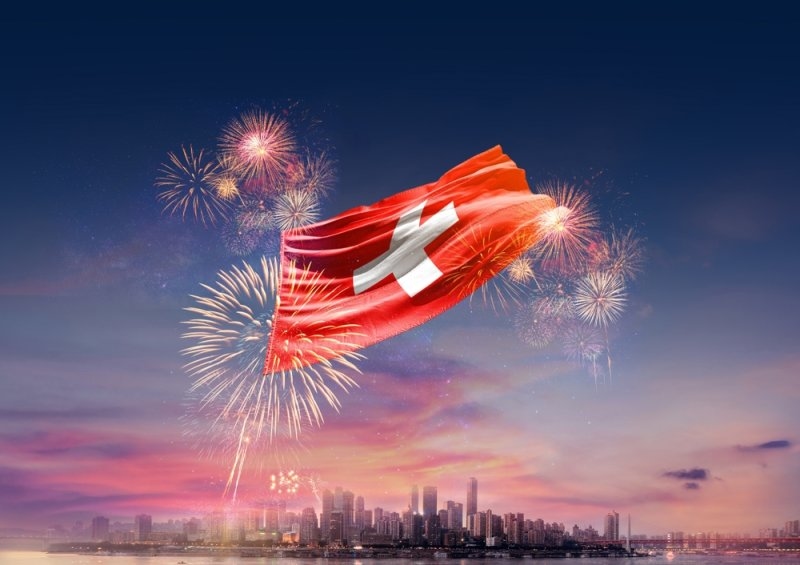
Swiss National Day, which is celebrated on August 1, sees people gathered in their community, giving speeches, singing, lighting bonfires, serving local foods, and enjoying firework displays. Lakeside places are great for viewing this event, and small towns usually create a cosy setting. It is one of the most popular festivals in Switzerland.
At the end of summer or fall, depending on the area, farmers will lead cattle from the high Alpine pastures back to their village homes. The cattle might be adorned with big bells and flowers, and farmers would wear their traditional outfits. Called “Alpabzug” or "Alpabfahrt", the event may feature markets and local cuisine. Dates may vary depending on the weather.
Refer to this calendar to plan your trips through the festivals in Switzerland according to the different seasons, keeping in mind that dates may vary from year to year.
Consider this a Switzerland festival calendar and make sure to contact the organizers for more information on dates, acts, and tickets.
Select one that you will be interested in. Some concerts and movies may require you to purchase tickets, while some street events are free. Read about the program and booking procedures beforehand.
Book early enough for Montreux, Nyon, Basel, and Locarno. Booking closer to home will cost you less, but do not forget about night train timetables and crowded trains after large events. The Swiss train network makes it possible to combine several towns if the dates coincide.
Remember to pack suitable shoes and a raincoat in case of rain, chilly weather, and walking for long hours. Obey the instructions of locals during traditional festivals and ask for permission to take pictures of people.
If you are looking for the right festivals to go to in Switzerland, select the event according to your personal preferences: Montreux and Paléo Festivals for live music, Fasnacht Basel for the carnival atmosphere, Swiss National Day for the whole country celebration, or Alpabzug for Alpine customs. If you want to see the best summer music festivals in Switzerland, consider comparing the lineups, pricing, venues, and transportation options.
To discover famous Swiss festivals and their locations, start with Montreux in Vaud, Paléo in Nyon, Fasnacht in Basel, Sechseläuten in Zurich, and the Street Parade in Zurich. These cultural events and festivals in Switzerland offer very different perspectives on the country.
Must Read: Backpacking Switzerland On A Budget Smart Travel Plan Tips
Not all the most fun festivals in Switzerland are alike either. Some have world-class performers performing on lake stages, while some have traditions which help the community connect with its history and geography. Plan your festival by considering what time of year it occurs, and plan ahead for accommodations and other arrangements. You might want to give yourself enough time to explore the local area as well.
Yes, many do, such as national day celebrations, seasonal fairs, and some music festivals with areas designated for families. Be sure to know the age limits, noise level, size of crowds, and facilities of the festival before purchasing your tickets.
No, people do not need tickets to all festivals. There are many parades and events that are open to people for free. It's advisable to check the details or ask locals about particular festivals to avoid last-minute hassle.
They should wear shoes that are suitable for walking, as well as clothing depending on the weather conditions and temperature outside.
For major events, book as soon as your dates are confirmed. Popular host cities can fill quickly, and staying in a nearby town may be an alternative if train schedules fit your plans.
Yes, if the dates and locations work together. Compare event schedules and rail connections, and allow enough time between festivals to travel, rest, and enjoy each destination.
This content was created by AI