

Switzerland keeps you on your toes. One minute you’re wandering quiet medieval alleys, and the next you’re staring at a glacier that doesn’t feel real. That’s the magic of this place—just when you think you’ve got it figured out, it switches things up. If you’re thinking about a trip in 2026, one thing always comes up: where should you actually spend your time?
That’s where Switzerland’s UNESCO sites step in. These aren’t just pretty spots. They’re loaded with history, kept safe for future generations, and recognized all over the world. Some are natural wonders. Some are all about architecture. A few land somewhere in between. Let’s look at the ones that really stand out and see what makes each one special.
Sure, there’s no shortage of beautiful views here, but the places on the UNESCO list stand out from the rest. They cover everything from soaring mountains to ancient towns you could spend hours getting lost in. Before we dive in, here’s a quick fact for curious travelers:
There are 13 in total—mixing cultural treasures and natural marvels.
And the mix is what makes it fun. Switzerland’s list isn’t just castles and cathedrals. You’ve got glaciers. Vineyards. Prehistoric villages. Every site has its own story to tell.
Suppose you want nature at its biggest and boldest, head here. The Jungfrau-Aletsch area is the biggest glacier region in the Alps, and seeing it in person is something else—it’s one of those pinch-me moments.
The Aletsch Glacier stretches for over 20 kilometers. Standing near it, the sheer scale hits you in a way photos never will. Depending on when you visit, you’ll either get snow-capped peaks or green valleys.
What to do:
Honestly, if you love nature, this is the ultimate Swiss experience.
Ready for a break from mountain air? Head to Bern. The city’s old town feels frozen in time, but in a good way.
You get winding streets lined with arcades, clock towers, and those beige sandstone buildings that always look perfect in photos. The Zytglogge clock tower is a must—people have gathered here to watch it chime for hundreds of years.
Don’t miss:
You explore Bern, sure, but you also just let yourself sink into its pace.
Not everything in Switzerland is mountain peaks and city strolls. There are also the Lavaux Vineyards, draped across hills above Lake Geneva. They’ve been here for centuries, and it shows in every detail.
Rows of grapevines climb up steep slopes, almost like giant steps down to the water. The views are ridiculous—grapes on one side, lake on the other, and little wine villages in Switzerland everywhere you look.
Things you’ll love:
Lavaux feels personal, and that makes it stand out.
Sometimes, the journey itself is the entire point. The Rhaetian Railway proves it.
This route links Switzerland and Italy, carving through mountains, zipping over daring bridges, and disappearing into tunnels that look impossible to build.
Highlights:
It’s more than a ride—it’s a whole story on rails.
Monte San Giorgio might not flood your Instagram feed, but it’s a hidden treasure. This quiet mountain is a goldmine for anyone fascinated by fossils.
Scientists come from everywhere to see fossils here, some over 200 million years old. It’s like cracking open a book about prehistoric life and stepping right in.
Here’s what visitors do:
Switzerland’s history runs deep—and this site proves it.
Love old buildings? Love old books even more? The Abbey of St Gall feels sacred for anyone who likes a good story.
Step inside and you’ll find one of Europe’s most beautiful libraries—thousands of manuscripts, some more than a thousand years old. The building itself is a masterpiece, all baroque curves and rich detail.
What you’ll notice:
For culture lovers, this spot is a must.
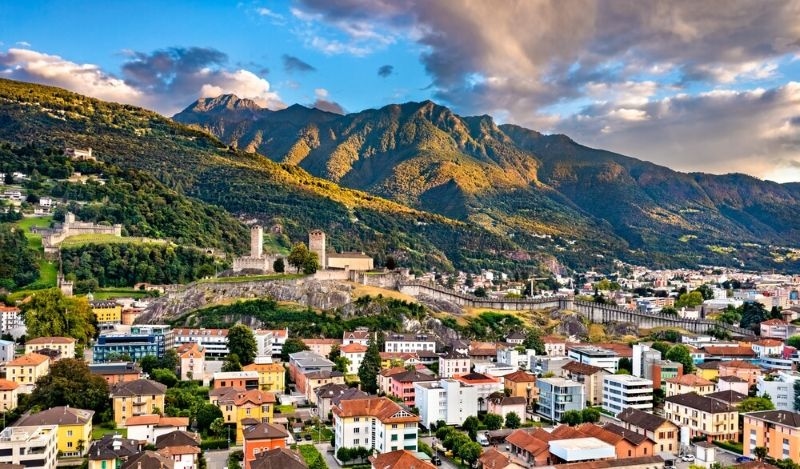
Picture three giant castles, each with its own flavor, all crowded near the foot of the Alps. That’s Bellinzona in Ticino—a power center with stories written in stone.
These fortresses once controlled the trade routes that cut through mountain passes. They kept invaders out and influenced everyone who passed by.
The stars:
Together, they’re a crash course in medieval strategy—and fun to wander through.
Also Read: Nature Spots Near Zurich Airport: A Quick Guide
Every UNESCO site lets you see a different side, whether you’re chasing glaciers, sipping lakeside wine, or losing track of time in a medieval city. Some places look straight out of a movie. Others stay with you because they feel so personal.
So, yes, there are thirteen UNESCO sites in Switzerland. The real magic? Each one shapes a unique memory. If you’re planning a 2026 trip, dig into these spots. You’ll get to know Switzerland far beyond the postcards.
For first-time visitors, the Swiss Alps Jungfrau-Aletsch region is often the top choice. It offers iconic mountain views, easy access by train, and a mix of adventure and comfort. It captures the classic Swiss experience in one place.
Most UNESCO sites remain open throughout the year, but accessibility can vary by season. Alpine areas may have limited access in winter due to snow, while cities like Bern are accessible all year. Always check seasonal conditions before planning.
Not always. Many sites, such as the Old City of Bern or the Lavaux Vineyards, are free to explore. However, certain attractions like museums, train rides, or guided tours may require tickets or reservations.
Definitely, Switzerland’s transport system is so efficient that you can hop between cities, mountains, and cultural highlights in a week or two without feeling rushed. Just plan it out, and you’re good to go.
This content was created by AI